

Roofing is a crucial part of architecture for a quantity of important causes:
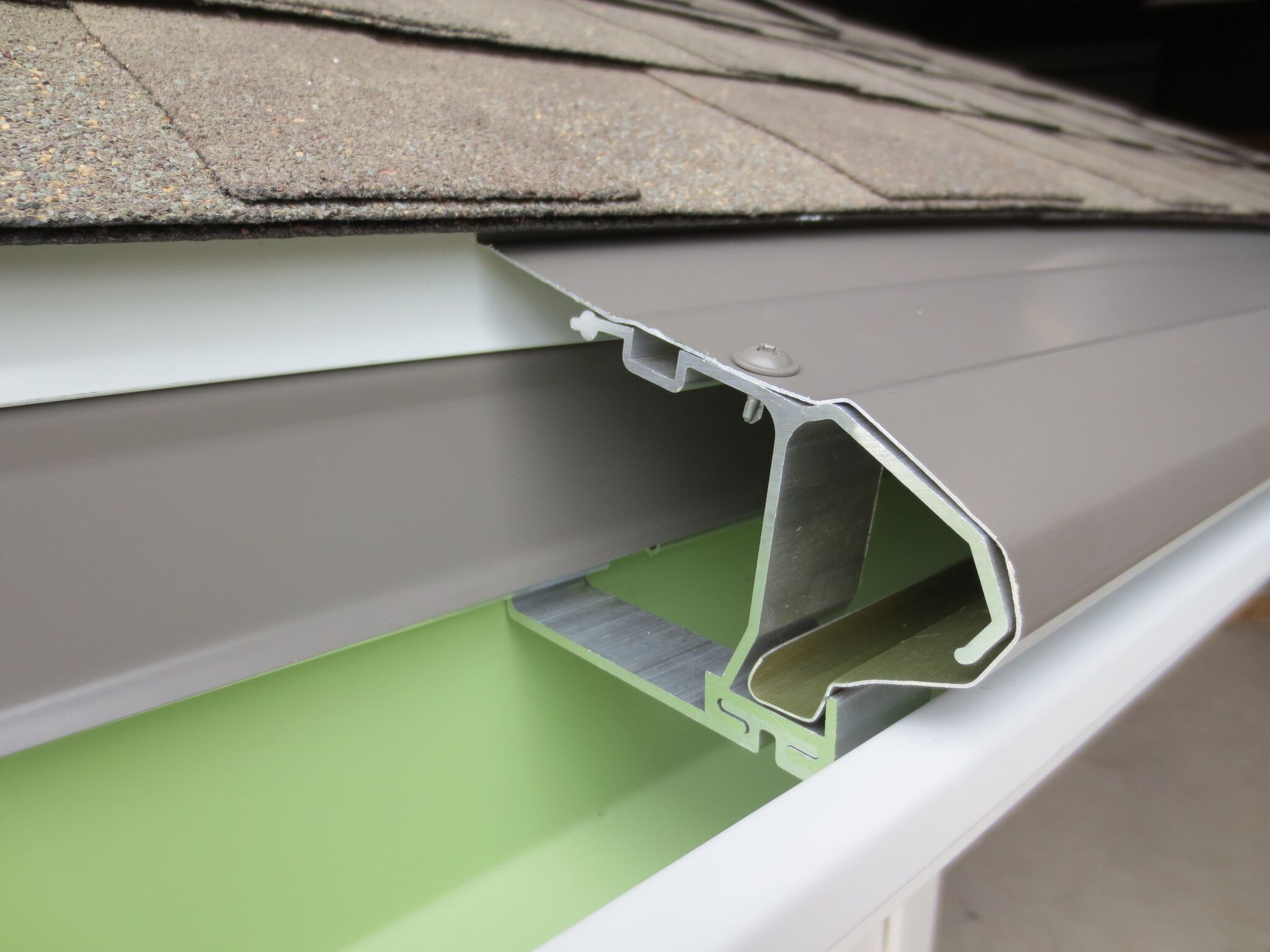
Protection from the Elements: One of the primary capabilities of a roof is to provide shelter and safety from environmental elements such as rain, snow, wind, and excessive temperatures. It prevents water from coming into the building, which might cause structural injury, mildew development, and different issues.
Structural Integrity: Roofs play an important position in maintaining the structural integrity of a building. They distribute the weight of the roof and any masses (e.g., snow) evenly to the walls and foundation. A well-designed and correctly constructed roof ensures the soundness and safety of the whole construction.
Aesthetics and Design: Roofs are a visible and distinguished a half of a constructing's exterior. Look at this website use roof design to boost the overall aesthetics of a construction. The form, material, and elegance of the roof can contribute to the architectural character and enchantment of a building.
Environmental Considerations: Sustainable structure places an emphasis on vitality effectivity and environmental duty. Roofing supplies and design can impression a building's vitality performance. For instance, cool roofs can replicate extra sunlight and absorb less warmth, decreasing cooling costs and urban heat island results.
Natural Lighting and Ventilation: Roof design can incorporate features like skylights, dormers, and roof vents to offer natural lighting and ventilation inside a building. This can improve indoor comfort and cut back the necessity for artificial lighting and mechanical air flow.
Historical and Cultural Significance: In some architectural styles, similar to Gothic or Victorian, the roof can be a key factor that displays the historic and cultural context of a building. Roof details and shapes can tell a story about the period by which a structure was built.
Space Utilization: Roof design can create further usable area inside a building, corresponding to attic rooms, rooftop gardens, or outside living areas. Architects usually contemplate how to maximize house and functionality when designing roofs.
Energy Efficiency: Energy-efficient roofing supplies and design can contribute to a building's overall power performance. Proper insulation and ventilation can help regulate indoor temperatures and cut back heating and cooling costs.
https://postheaven.net/greybrick1/installing-gutter-guards-could-be-a-useful-house-enchancment-challenge-to and Fire Resistance: Roofing supplies are chosen with safety in thoughts. Some materials, like fire-resistant roofing, can help prevent the unfold of fires in a constructing, providing useful time for occupants to evacuate.
In summary, roofing is a fundamental aspect of structure that combines practical and aesthetic concerns. It not only protects the interior of a building from the weather but in addition contributes to the general design, sustainability, and safety of a structure. Architects rigorously contemplate roofing materials, shapes, and options to achieve their design objectives while guaranteeing the comfort and well-being of building occupants..